
If you have been hearing about jobs in Gwadar for years but never really understood what the fuss is about, you are not alone. Most people outside Balochistan know Gwadar as “that port city China is building,” and that is about it. But in 2026, Gwadar is quietly becoming one of the more interesting places in Pakistan to look for work — not just for engineers and contractors, but for drivers, cooks, salesmen, teachers, nurses, and dozens of other ordinary professions.
This guide is for the practical reader: someone from Karachi, Lahore, Quetta, or a small town in Makran who wants to know, honestly, whether moving to Gwadar for work makes sense. We will cover which industries are actually hiring, what salaries look like, how to find openings without getting scammed, and what daily life there is really like. No hype, no corporate brochure — just a straight-talking local guide.
Why Jobs in Gwadar Are Growing in 2026
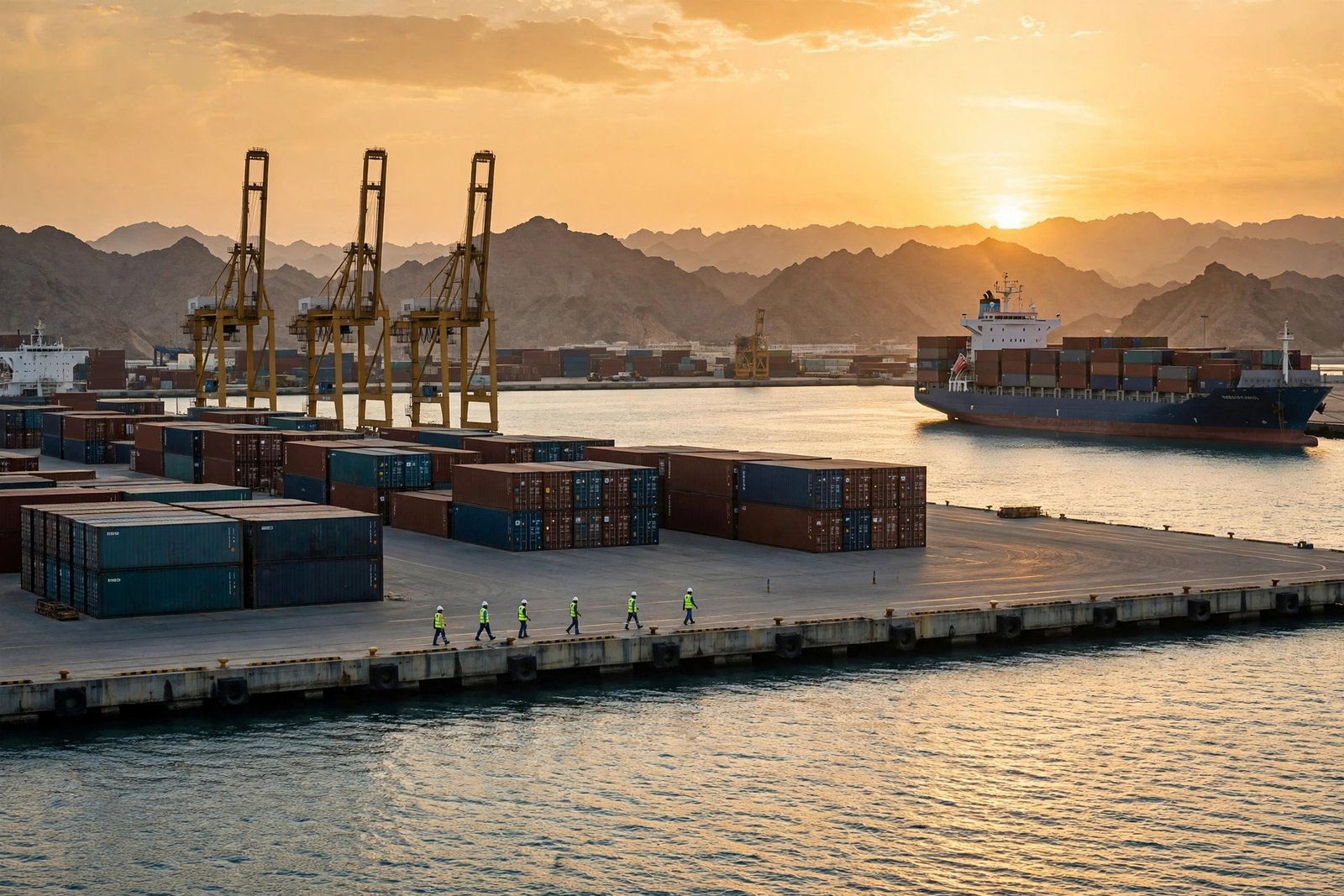
Gwadar’s job market exists because of one thing: the port. The deep-sea port at Gwadar, operated under the China-Pakistan Economic Corridor (CPEC), has been expanding in phases for years, and every phase creates a fresh wave of employment — dredging, terminal operations, warehousing, customs clearance, security, and transport. In 2026, the big story is that the infrastructure built over the last decade is finally maturing into real operations. The New Gwadar International Airport is operational, the East Bay Expressway connects the port to the coastal highway, and the Gwadar Free Zone keeps adding businesses.
What does this mean for you? It means the work is no longer just about construction. A decade ago, almost every job in Gwadar was building something — roads, the port, housing schemes. Those projects still exist, but now there is a second layer: logistics companies, shipping agents, freight forwarders, banks, hotels, restaurants, mobile franchise shops, private schools, and clinics. When a port starts operating properly, an entire service economy grows around it, and that is where most new jobs are appearing.
There is also a government push. The Gwadar Development Authority (GDA) and federal bodies regularly announce schemes — water projects, roads, the port expansion, special economic zones — and each tender means contractors hiring labour, supervisors, accountants, and site staff. If you have ever worked on a government or development project in Pakistan, you know the drill: watch for tender announcements, because jobs follow money.
The Main Industries Hiring in Gwadar Right Now
Before you pack a bag, it helps to know where the work actually is. Gwadar is not a city with a hundred different industries. It has a handful, and knowing which one fits your background will save you months of frustration.
1. Port, Shipping, and Logistics
This is the heart of Gwadar’s economy. Jobs here range from crane operators and cargo handlers at the terminal to documentation officers, customs clearing agents, and warehouse staff. Trucking is huge too — cargo coming out of the port needs to reach Karachi, Quetta, and beyond, so drivers, transport coordinators, and fleet managers are in constant demand. If you have a heavy-vehicle licence or experience with logistics anywhere in Pakistan, you are already ahead of most applicants. Salaries in this sector tend to be the best in Gwadar, partly because employers often pay a “remote posting” allowance on top of the base pay.
2. Construction and Real Estate
Construction is the sector that put Gwadar on the map, and it is not finished yet. Housing schemes, commercial plazas, roads, and port-related infrastructure are still being built, and each site needs masons, electricians, plumbers, steel fixers, site supervisors, quantity surveyors, and project managers. Real estate agencies are also active — Gwadar’s property market attracts investors from Karachi and Punjab, and agencies hire sales staff, marketing people, and office managers. A word of caution: real estate commissions can be attractive, but the income is irregular, so make sure you understand the pay structure before accepting a “commission-only” role.
3. Fishing and Seafood Processing
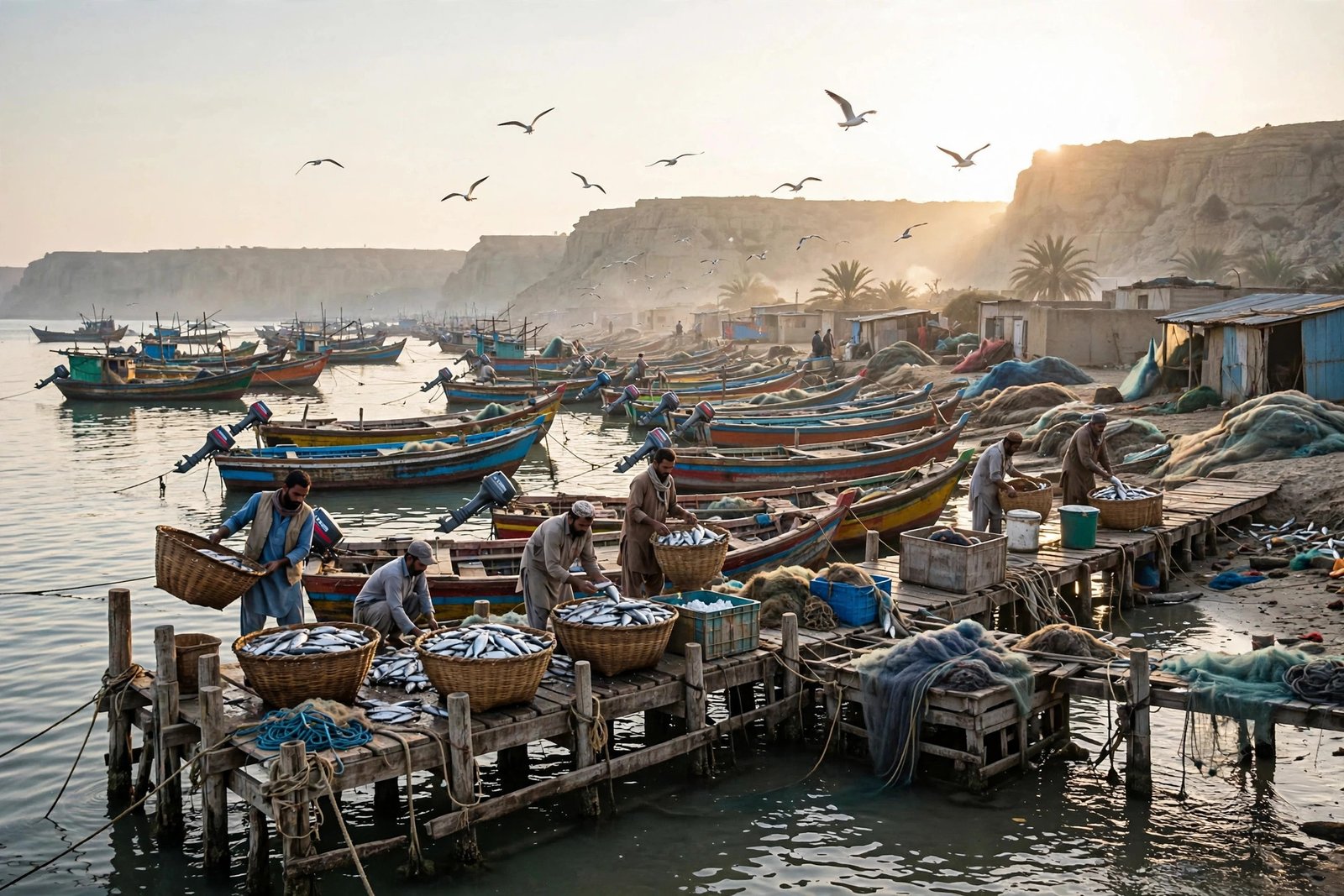
Long before the port, Gwadar was a fishing town, and fishing is still one of the biggest employers for locals. The harbour is full of boats, and fish processing plants and cold-storage facilities hire workers for sorting, packing, and quality control. If you are from a coastal area and know this industry, there is steady work — it is physical and the pay is modest, but it is reliable. With export demand for Pakistani seafood, processing companies are slowly upgrading their facilities, which means new supervisor and technician roles are appearing too.
4. Hospitality, Hotels, and Restaurants
As business visitors, officials, and a trickle of tourists started coming to Gwadar, hotels and guesthouses followed. PC (Pearl Continental) Gwadar has been there for years, and smaller hotels and restaurants keep opening. Cooks, waiters, receptionists, housekeeping staff, and hotel managers are all needed. The catch: this sector is small and competitive. A hotel job in Gwadar is a good, stable option if you have hospitality experience, but don’t expect hundreds of openings — apply early and keep your CV ready.
5. Government and Development Projects
The federal and provincial governments run a steady stream of projects in Gwadar — roads, water supply, health facilities, education schemes, and the port itself. These create jobs directly (project staff, drivers, clerks, field officers) and indirectly through contractors. Government jobs in Balochistan also come with provincial quotas, which can be an advantage if you are a Balochistan domicile holder. Keep an eye on newspaper ads (Jang, Dawn, Express) and the Balochistan Public Service Commission notices, because many of these positions are advertised the old-fashioned way.
6. Retail, Trade, and Everyday Services
This is the category most people forget. Every growing city needs shopkeepers, mobile-shop staff, pharmacy assistants, barbers, tailors, mechanics, electricians, and delivery riders. As Gwadar’s population grows, so does this everyday economy. If you have a trade skill — AC repair, motor winding, plumbing, mobile repair — you can often do better running your own small setup than waiting for a salaried job. The competition is lower than in Karachi, and a good reputation spreads fast in a small city.
What Kind of Jobs in Gwadar Can You Actually Get?
Let’s get practical about qualifications, because this is where most people either get discouraged or get unrealistic.
If you have a degree (BA, BSc, BBA, engineering): Look at project management, site engineering, accounting, HR, procurement, and admin roles with construction firms, logistics companies, and NGOs operating in the region. English matters more than you might think — many employers in Gwadar deal with Chinese companies or international partners, so even basic professional English is a real advantage.
If you have an intermediate or matric qualification: Data entry, reception, sales, retail, driving, security supervision, warehouse work, and hotel front-desk roles are all realistic. A computer course (even a 3-month MS Office diploma) genuinely improves your chances — employers in Gwadar value basic computer literacy because so much port and office work is documentation-based.
If you are skilled labour (electrician, plumber, mason, welder, driver, cook): You are probably the most employable category of all. Gwadar has a shortage of reliable skilled workers, and contractors pay a premium for people who show up and do good work. A heavy-vehicle licence or an electrician’s certification is worth more than a degree in this market.
If you are unskilled or a fresh matric student: Day-labour, loading/unloading at the port and warehouses, helper roles on construction sites, and domestic work are the entry points. The pay is basic, but here is the honest truth: many people who arrived in Gwadar as helpers five years ago are supervisors today, because the city rewards people who stay and learn. If you can learn a skill while you work — driving, basic electrical work, computer use — your income can double within a couple of years.
Salaries in Gwadar: What to Expect in 2026
Nobody publishes official salary surveys for Gwadar, so take these as realistic ranges based on how the market has been behaving, not guarantees:
- Unskilled labour / helpers: Rs 35,000–50,000 per month, often with accommodation provided on project sites.
- Skilled trades (electrician, plumber, mason): Rs 50,000–90,000, higher for site supervisors.
- Drivers (HTV/LTV): Rs 45,000–80,000, with port and logistics drivers at the upper end.
- Office staff (reception, data entry, sales): Rs 40,000–70,000.
- Mid-level professionals (accountants, site engineers, HR officers): Rs 80,000–150,000.
- Hotel and hospitality staff: Rs 40,000–75,000, with food and accommodation often included.
Two things to know. First, many employers in Gwadar offer accommodation or a housing allowance, because they know outsiders need somewhere to live — always ask about this during the interview, and get it in writing. Second, the cost of living is lower than Karachi but higher than a small town: rents have risen as demand grew, and imported goods cost more because of transport. A single person can live decently on Rs 50,000–60,000 a month; a family needs closer to Rs 90,000–120,000 depending on the area.
How to Find Jobs in Gwadar Without Getting Scammed
This section matters more than any other, because Gwadar’s distance from Pakistan’s big cities makes it a hunting ground for fraudsters. People desperate for work get tricked by fake job ads promising port jobs in exchange for “registration fees” or “training charges.” Here is how to protect yourself:
Rule one: never pay for a job. No legitimate employer in Gwadar — or anywhere — asks you to pay a fee to get hired. If an “agent” demands Rs 5,000 or Rs 20,000 for a guaranteed port job, walk away. Real recruitment costs the employer, not you.
Rule two: verify the company. Before travelling to Gwadar for an interview, confirm the company exists. Search for it online, check its website and social media, and call a listed number. If the only contact is a WhatsApp number and the “office address” is vague, be suspicious.
Rule three: use established job platforms. National job portals list Gwadar openings from verified employers, and they are the safest place to start your search. Browsing listings on a reputable site like Rozee lets you compare real openings, check employer profiles, and apply without dealing with middlemen. Set up job alerts for Gwadar so new postings reach you first.
Rule four: use your network. In a small city like Gwadar, who you know matters enormously. If you have relatives, friends, or contacts from your area already working there, talk to them before anything else. Referrals are how a huge share of Gwadar jobs actually get filled — a recommendation from a current employee beats a hundred online applications.
Rule five: visit before you commit. If possible, make a short trip to Gwadar before relocating. Walk around, talk to people working at the port and in the markets, visit the areas where you’d live. A three-day visit will teach you more than three months of online research, and it lets you attend interviews in person, which employers take more seriously.
If you are open to other cities in Balochistan as well, our detailed guide to jobs in Quetta covers the provincial capital’s market, which is larger and more diverse than Gwadar’s — many job seekers apply in both cities to double their chances.
Life in Gwadar: What to Know Before You Move
A job is only half the decision. Here is the honest picture of daily life.
Housing: Rented rooms and portions are available in areas like the old city, and newer housing schemes on the outskirts. Rents for a basic two-room portion start around Rs 15,000–25,000. Many project employers provide shared accommodation — ask upfront.
Water and utilities: Gwadar has historically struggled with drinking water supply, and while desalination and supply projects have improved things, water can still be an issue in some areas. Electricity is generally better than it used to be, but load management happens. Ask locals about the specific area, not the city in general.
Food and markets: The main bazaars have everything you need for daily life, and being a port city, seafood is fresh, abundant, and cheap — one of the genuine perks of living here. Imported and branded goods cost more than in Karachi because of transport costs.
Culture and community: Gwadar is a Baloch-majority city with a relaxed coastal culture. People are generally welcoming to outsiders, especially those who come to work respectfully. Learning a few basic Balochi or Brahui greetings goes a surprisingly long way. The pace of life is slower than Karachi or Lahore — some people love this, others get restless after six months. Know yourself.
Healthcare and education: Basic hospitals and clinics exist, and private schools have opened to serve the growing population, but for serious medical treatment or higher education, people still travel to Karachi. If you are moving with a family, factor this in.
Safety: Gwadar has a significant security presence because of the port and CPEC projects, and daily life for workers is generally calm. That said, Balochistan’s broader security situation is something to be aware of — follow your employer’s security guidance, especially on project sites, and stay informed through local news.
Common Mistakes Job Seekers Make About Gwadar
After watching people try (and sometimes fail) to build a life in Gwadar, here are the mistakes that come up again and again:
Believing every hype story. Gwadar is growing, but it is not Dubai, and it won’t be next year either. People who arrive expecting instant riches leave disappointed within months. Come with realistic expectations and a 2–3 year plan, and the city rewards patience.
Arriving with no savings. Even if you have a job offer, keep 2–3 months of expenses in hand. Offers get delayed, first salaries come late, and deposits for housing add up. The people who struggle most are the ones who arrive with empty pockets and no buffer.
Ignoring the fine print. “Port job” can mean a proper terminal position or a day-labour loading gig — same words, very different realities. Always confirm: exact job title, salary, working hours, accommodation, and who pays for your travel to Gwadar. Get the offer letter before you resign from your current job.
Sticking only to online applications. In Gwadar’s small market, showing up matters. Employers remember the candidate who visited the office far more than the hundredth CV in their inbox. If you can afford the trip, go in person.
Not learning a skill. The biggest long-term winners in Gwadar are people who arrived with one skill and left with three. Driving, basic English, computer use, a trade certification — every skill you add multiplies your options. Free and cheap courses exist online; use them before and after you move.
FAQs About Jobs in Gwadar
Are there really jobs in Gwadar, or is it all hype?
There are real jobs, but the market is smaller and more specialised than the hype suggests. Port operations, logistics, construction, fishing, hospitality, and government projects all hire regularly. The hype problem is that people expect thousands of openings at once — the reality is steady, ongoing hiring across a handful of sectors.
Do I need to know someone to get a job in Gwadar?
It helps a lot, but it is not mandatory. Referrals are powerful in a small city, yet employers also hire through job portals, newspaper ads, and walk-in interviews — especially for skilled trades and driving roles where demand exceeds supply. Use every channel, not just one.
Is Gwadar safe for outsiders moving for work?
Daily life for workers is generally calm, and project sites have security arrangements. As with anywhere in Balochistan, stay aware of the broader situation, follow your employer’s guidance, and avoid unnecessary travel to unfamiliar areas, especially at night.
What is the minimum qualification needed for a decent job in Gwadar?
There is no single answer, but intermediate (FA/FSc) plus basic computer skills opens most office and retail roles, while skilled trades need certification or proven experience rather than formal education. For professional roles, a bachelor’s degree plus English communication skills is the standard expectation.
How much money should I save before moving to Gwadar?
Aim for at least 2–3 months of living expenses — roughly Rs 100,000–150,000 for a single person — to cover the gap before your first salary, housing deposits, and travel. Never relocate on the promise of a job alone without a financial cushion.
Can women find jobs in Gwadar?
Yes, though the market is narrower than in big cities. Teaching, nursing and healthcare, office administration, banking, NGO project roles, and hospitality front-office positions all employ women. Many employers provide or arrange secure accommodation for female staff — confirm this during the hiring process.
Is it better to look for work in Gwadar or Quetta?
It depends on your field. Gwadar suits port, logistics, construction, and trade-skill workers; Quetta has a bigger, more diversified market with more government, education, and healthcare roles. Many job seekers apply in both — the two cities are connected by road, and keeping both options open is just sensible.
Final Thoughts
Gwadar in 2026 is not a get-rich-quick story — it is a slow-build story, and slow-build stories are the ones that actually pay off for ordinary people. The port is operating, the airport is open, businesses are arriving, and every one of those developments needs people: drivers, accountants, cooks, engineers, salesmen, and labourers. If you come with a skill, some savings, realistic expectations, and the willingness to verify every opportunity before committing, Gwadar can be a genuinely good career move.
Start today: update your CV, set up job alerts, talk to anyone you know in the city, and learn one new skill while you search. The people doing well in Gwadar are not the ones who waited for the perfect opportunity — they are the ones who arrived prepared when an ordinary one appeared.
2 Responses