
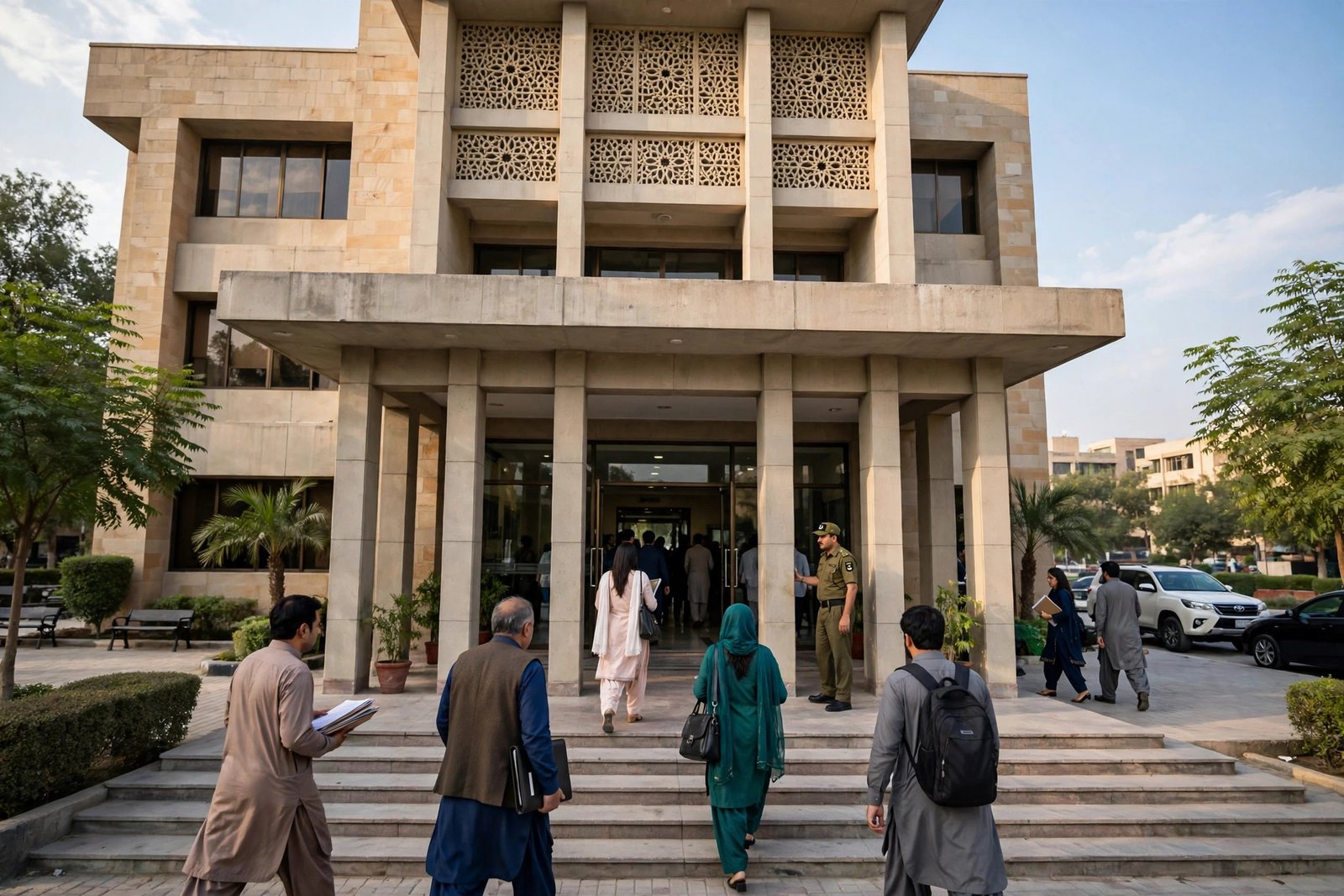
If you ask a hundred young people in Pakistan what kind of job they want, a surprising number will still say the same thing: a government job. Not because it sounds glamorous, but because it sounds stable. A fixed salary that arrives on time, a pension at the end, medical cover for the family, and a job that does not disappear overnight when a company downsizes. That appeal has not gone away in 2026. If anything, with private-sector layoffs and rising prices, it has grown stronger.
But here is the honest truth most guides will not tell you: getting a government job in Pakistan is rarely about luck, and it is almost never about knowing one powerful person. It is about understanding a system, preparing for it properly, and applying again and again without falling for shortcuts. This guide walks you through that system in plain language — how hiring actually works, what the pay scales really mean, which departments tend to hire, how to prepare for tests and interviews, and how to apply step by step without getting scammed.
No magic formula is promised here. What you will get is a clear map, so you stop wasting time on fake ads and start focusing on the applications that actually count.
How Government Hiring Actually Works in Pakistan
Government hiring in Pakistan is not done by one single office. It is spread across federal and provincial bodies, and each one handles its own recruitment. That is why you will see the same kind of job advertised in different places, with different forms, different fees, and different test dates.
At the federal level, the Federal Public Service Commission, known as FPSC, recruits for federal ministries, departments, and organisations. If you are applying for a post in Islamabad or in a federal department anywhere in the country, there is a good chance the advertisement came through FPSC.
Each province has its own commission too. Punjab has the Punjab Public Service Commission (PPSC), Sindh has the Sindh Public Service Commission (SPSC), Khyber Pakhtunkhwa has the KPPSC, and Balochistan has the BPSC. These commissions handle provincial departments such as education, health, police, revenue, and local government within their province.
Alongside the commissions, there is the National Job Portal, run by the federal government. Many federal departments post their vacancies there, and candidates create one profile and apply for multiple posts through it. It is worth checking regularly, because some departments advertise only on the portal and on their own websites, not in newspapers.
There are also departments that recruit directly, especially for lower-grade posts, project-based roles, and jobs in organisations like railways, post offices, and public-sector companies. For those, the advertisement itself will tell you whether to apply through a commission, through the National Job Portal, or directly to the department.
The key habit to build is simple: read the full advertisement before you apply. It tells you who is hiring, what the age limit is, what qualification is required, whether domicile matters, what the fee is, and where to send the application. Most rejected applications are not rejected because the candidate was unqualified. They are rejected because a small detail was missed — a wrong form, a missing document, or an application sent to the wrong place.
FPSC, PPSC, SPSC, KPPSC, BPSC and the National Job Portal Explained
It helps to know what each body actually does, so you do not apply in the wrong place.
FPSC mainly handles gazetted and higher-grade posts at the federal level, including assistant directors, lecturers in federal institutions, inspectors, and officers in federal ministries. Its tests are usually written exams followed by interviews, and the syllabus is published with the advertisement.
PPSC is the busiest of the provincial commissions, because Punjab has the largest number of provincial posts. It recruits lecturers, school education officers, assistant sub-inspectors, junior clerks, patwaris, and a wide range of other provincial roles. Competition is high, and preparation books for PPSC tests are widely available, but the official syllabus in the advertisement is always the most reliable guide.
SPSC covers Sindh government departments, including education, health, police, and revenue. Candidates from Sindh should pay close attention to domicile and district quota rules, which are often mentioned in the advertisement and can affect eligibility.
KPPSC handles Khyber Pakhtunkhwa provincial posts, while BPSC handles Balochistan provincial posts. Both follow a similar pattern: advertisement, written test or screening, interview, and final merit list. In smaller provinces, the number of applicants per post may be lower than in Punjab, but the standards are just as strict.
The National Job Portal is different from the commissions. It is a single online platform where federal vacancies are listed. You register once, fill in your education and experience, upload your documents, and then apply for posts as they appear. Keep your profile updated, because an old phone number or an incomplete degree entry can cause problems later.
A practical tip: make a short list of the two or three sources that matter for your target job, and check them every week. Checking everything every day will exhaust you. Checking the right sources regularly will keep you informed without burning you out.
BPS Scales and Realistic Salaries in 2026
One of the most confusing parts of government jobs is the Basic Pay Scale, or BPS. Almost every government post is assigned a BPS number, from BPS-01 up to BPS-22. In simple terms, a higher BPS number usually means a higher post, higher qualification requirements, and higher pay.
BPS-01 to BPS-04 posts are generally support roles such as naib qasid, chowkidar, driver, and sweeper. BPS-05 to BPS-14 covers clerical staff, junior clerks, assistants, stenographers, and many technical roles. BPS-16 and BPS-17 are officer-level entry posts, including lecturers, assistant directors, and section officers. BPS-18 and above are senior management posts that usually require years of service and promotion, not direct fresh recruitment.
Salary is not just the basic pay figure you see in a table. A government salary usually includes basic pay plus allowances such as house rent allowance, conveyance allowance, medical allowance, and sometimes special allowances depending on the department and posting. That is why two people on the same BPS in different departments can take home different amounts.
Do not trust salary figures shared on social media posts or WhatsApp forwards. Allowances change with budgets and government notifications, and a figure from two years ago may no longer be accurate. The advertisement sometimes mentions the pay scale but not the exact take-home salary, and that is normal. For a realistic idea, look at the current BPS pay structure and ask someone already working in that department, rather than relying on a viral post.
Also remember that government jobs are not only about salary. Pension, job security, annual increments, promotion prospects, and medical facilities are part of the total package. When you compare a government offer with a private-sector offer, compare the whole package and the long-term stability, not just the first month’s salary.
Departments Hiring in 2026
It is tempting to ask which department is hiring right now, but the honest answer changes every few months. Departments hire when posts fall vacant, when new projects start, or when the government approves new hiring. That is why this guide does not list specific vacancy numbers or closing dates as current facts — those details change quickly, and an outdated list would mislead you. Always check the official advertisement or portal for the latest dates.

That said, some sectors tend to hire regularly year after year. Education is usually the largest recruiter, with schools and colleges needing teachers, lecturers, and support staff. Health departments regularly need doctors, nurses, paramedics, and dispensers, especially in rural health centres and district hospitals.
Police departments in every province recruit constables, assistant sub-inspectors, and other ranks on a regular cycle. Revenue departments need patwaris and clerical staff. Local government, municipal services, and public works departments hire engineers, sub-engineers, and field staff.
At the federal level, departments linked to railways, postal services, customs, and federal ministries also advertise from time to time. Public-sector banks and organisations sometimes fall in a grey area — they may follow government-style recruitment but are not always advertised through the commissions, so read each advertisement carefully.
Instead of waiting for one dream department, apply broadly within your qualification. A candidate who applies for five suitable posts has five chances. A candidate who waits a year for one perfect post has only one chance, and may miss it if the eligibility criteria change.
If you are also weighing part-time or flexible work while you prepare, it helps to understand what that market looks like alongside a government job search. For a broader picture of flexible earning options in the country, see this guide to part-time jobs in Pakistan.
Eligibility, Tests and Interview Preparation
Eligibility is where many applications fail, so treat it seriously. Every advertisement lists the required education, age limit, domicile, experience if any, and sometimes a quota for women, minorities, or disabled candidates. Check all of them before you pay the fee.
Age limits usually have some relaxation for government servants, women, and other categories, but the exact relaxation is stated in the advertisement. Do not assume you qualify for relaxation — read the rule as written.
For tests, the syllabus is your best friend. FPSC and provincial commissions usually publish a detailed syllabus with the post. It may include English, Pakistan Studies, Islamiat, general knowledge, current affairs, basic mathematics, and subject-specific questions related to the post. For a lecturer post, subject knowledge matters most. For a clerical post, English, typing, and general knowledge may carry more weight.
Preparation does not need to be expensive. Past papers, standard textbooks, and reliable current affairs sources are usually enough. Focus on understanding concepts rather than memorising hundreds of multiple-choice questions. Practice with a timer, because many candidates know the answers but run out of time in the actual test.
For interviews, the panel is usually checking three things: do you know the job, can you communicate clearly, and can you handle pressure calmly. Prepare a short introduction about yourself, your education, and why you want this post. Read about the department you are applying to — what it does, who heads it, and what challenges it faces. Dress neatly, arrive early, and answer honestly. If you do not know an answer, it is better to say so politely than to invent something.
One more point that matters in 2026: many tests now include questions on basic computer skills, digital literacy, and current affairs from the last year. Staying updated with reliable news, rather than only social media headlines, will help more than last-minute cramming.
How to Apply Step by Step
Applying correctly is a skill in itself. Here is a simple process that works for most commission and portal applications.
First, find the official advertisement. Prefer the commission website, the National Job Portal, or the department website over a screenshot shared in a group. Screenshots can be edited, cropped, or outdated.
Second, read the full advertisement twice. Note the last date, the fee, the required documents, the test centre options, and the eligibility criteria. Save a copy or take a clear screenshot for your own record.
Third, prepare your documents in advance: national identity card, domicile certificate, educational certificates and transcripts, recent photographs, and experience certificates if required. Scan them clearly if the application is online. Blurry scans are a common reason for delays.
Fourth, fill the form carefully. Enter your name exactly as it appears on your identity card. Double-check your phone number and email, because test slips and interview calls come through those channels. A single wrong digit can cost you the whole opportunity.
Fifth, pay the fee through the method mentioned in the advertisement, and keep the receipt. Do not pay through a random bank account or mobile wallet number given by someone in a comment section. The official fee method is always written in the advertisement.
Sixth, submit before the last date, not on it. Websites slow down or crash on the final day, and banks close. Submitting a few days early gives you time to fix a mistake.
Finally, after submitting, note down your tracking number or application number, and check the website regularly for your roll number slip, test date, and result. Do not rely on someone else to inform you. Your application is your responsibility.
For a sense of how the wider job market works beyond government posts, including private listings and application norms, you can also browse reputable Pakistani job platforms such as Rozee.pk.
Scams and Fake Ads to Avoid
Unfortunately, government jobs attract scammers because so many people want them desperately. Learning to spot a fake ad can save you money and disappointment.
Be suspicious if an ad promises a guaranteed job, asks for a large fee upfront through a personal mobile wallet, or claims you can skip the test and interview. Real government recruitment does not work that way. Tests and merit lists are public, and no agent can guarantee selection.
Be careful with ads that only appear as WhatsApp forwards or Facebook posts, with no link to an official website. Real advertisements are published on commission websites, in newspapers, or on the National Job Portal, and they carry a reference number and a clear last date.
Never share your identity card number, bank details, or passwords with someone who claims they can arrange a government job for you. No genuine official will ask for those details over WhatsApp or a phone call.
Also watch out for fake websites that look like FPSC or PPSC sites but have slightly different spellings in the web address. Always type the official address yourself or use a link from a trusted source, rather than clicking a link in a random message.
If you have already paid someone and now suspect fraud, keep all receipts and messages, stop further payments, and consider reporting it to the relevant authorities. It is embarrassing, but staying silent only helps the scammer target the next person.
The safest rule is simple: if it sounds too easy, it is probably fake. Real government jobs reward preparation and patience, not payments to middlemen.
Final Thoughts: A Long Game Worth Playing
A government job is not won in a week. For most successful candidates, it takes months of preparation, several applications, and sometimes a few failed attempts before the first interview call. That is normal, and it does not mean you are not good enough. It means the competition is real, and the system rewards those who stay in it.
Build a routine: check official sources weekly, prepare a little every day, apply for every post you genuinely qualify for, and learn from each test you take. Keep your documents ready, your profile updated, and your expectations realistic.
In 2026, the opportunity is still there for candidates who treat the process seriously. Start with one application done correctly, then another, and keep going. Your future self, sitting in a stable post with a pension and a family to support, will be glad you did not give up after the first rejection.
FAQs
What is the minimum qualification for a government job in Pakistan?
It depends on the post. Some posts require only middle or matric, many require intermediate or graduation, and officer posts usually require a master’s degree or equivalent in the relevant subject. Always check the advertisement for the specific post, because the same department may advertise posts at very different qualification levels.
Which commission should I apply through?
Apply through the commission that advertised the post. Federal posts usually go through FPSC, Punjab posts through PPSC, Sindh posts through SPSC, Khyber Pakhtunkhwa posts through KPPSC, and Balochistan posts through BPSC. Some federal posts are also listed on the National Job Portal. The advertisement will name the correct authority.
How long does government recruitment take?
It varies a lot. From advertisement to final appointment can take several months, sometimes more than a year, depending on the number of applicants, the test schedule, and interview rounds. Do not stop other work while you wait. Keep preparing and applying for other suitable posts in the meantime.
Can I apply for government jobs after graduation without experience?
Yes, many entry-level posts do not require experience. Officer posts like assistant director or lecturer often ask for a degree in the relevant subject, not years of work experience. Experience becomes more important for senior or specialised posts, which will state it clearly in the advertisement.
Are government jobs only for people with connections?
No. Commissions publish merit lists, and thousands of candidates are selected every year purely on test and interview performance. Connections may help someone hear about a post earlier, but they cannot replace the written test and interview in commission recruitment. Focus on preparation, because that is the part you control.
What documents do I need for a government job application?
Usually your national identity card, domicile certificate, educational degrees and transcripts, recent photographs, and experience certificates if the post requires them. For online applications, keep clear scanned copies ready. Original documents are normally checked at the interview stage, not at the initial application stage.
How can I avoid fake government job ads?
Only trust advertisements on official commission websites, the National Job Portal, department websites, or reputable newspapers, and verify the reference number and last date. Ignore ads that promise guaranteed selection, demand payment to a personal account, or ask you to skip the test. When in doubt, check the official website before applying or paying any fee.
3 Responses