
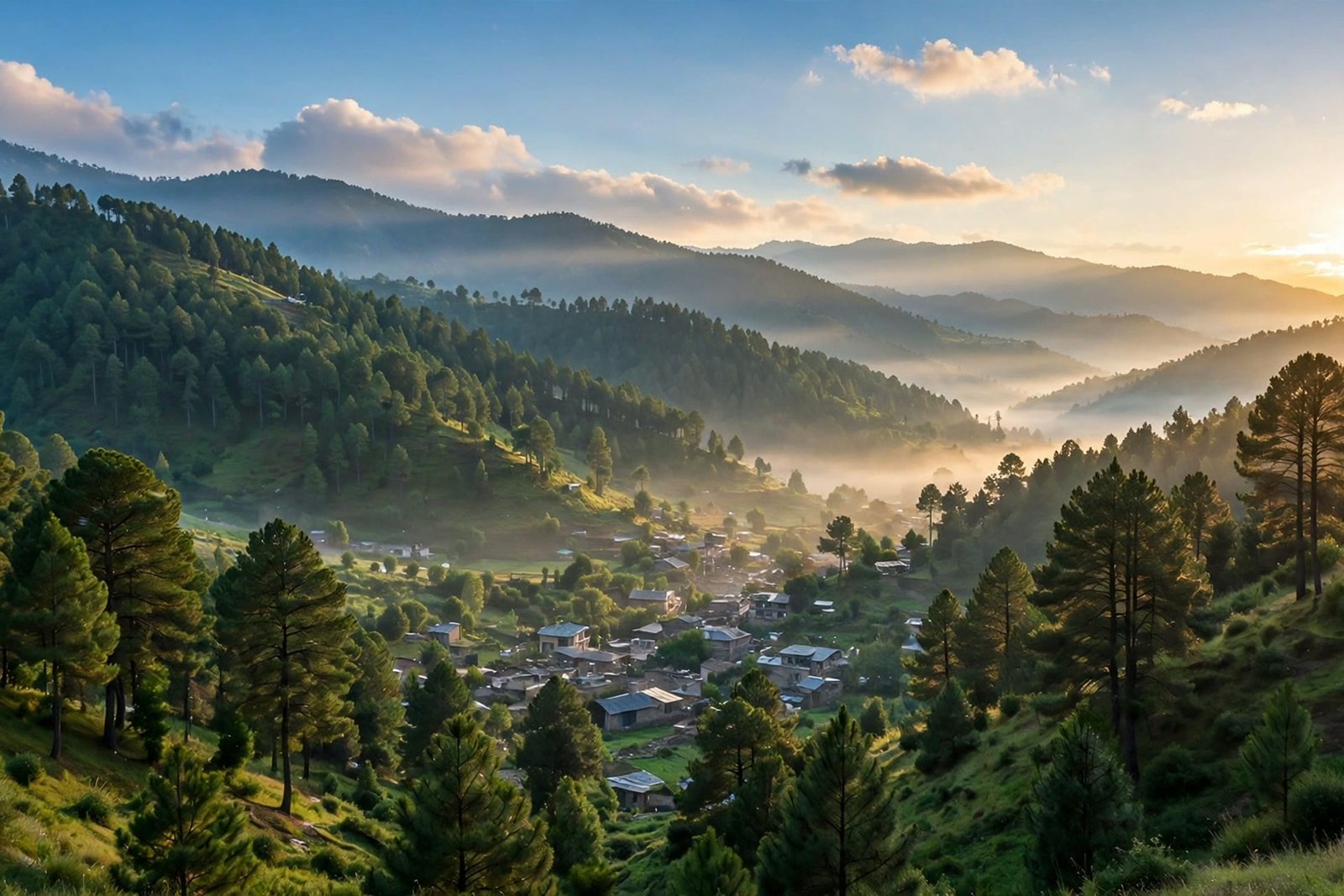
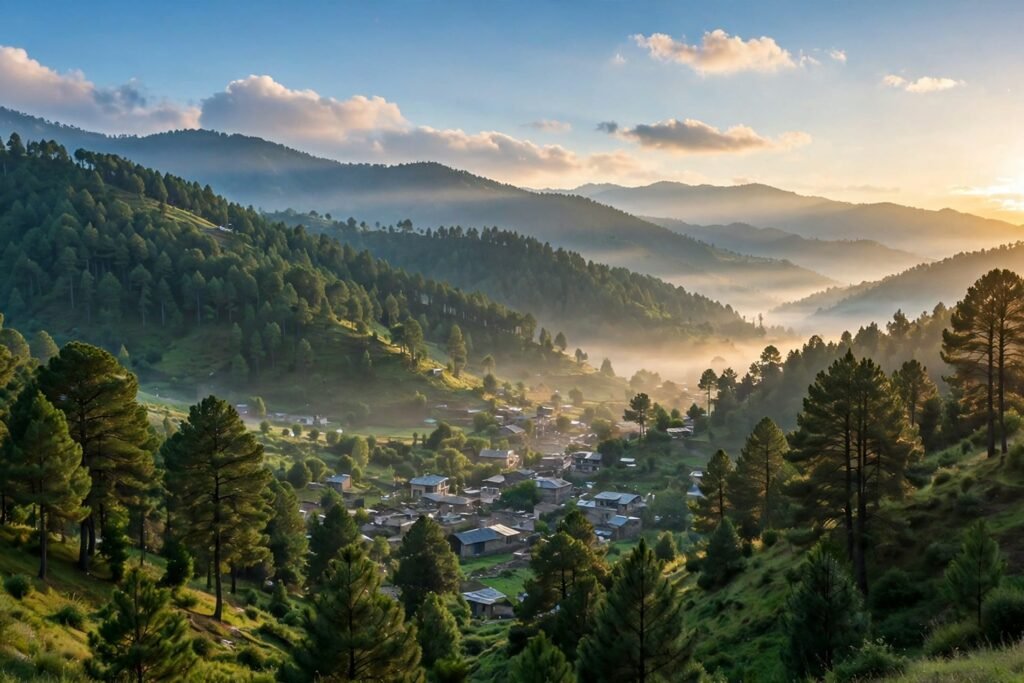
Ask anyone in Pakistan about Abbottabad and they’ll tell you about the pines, the clean air, the colonial-era schools. It’s the kind of place people visit on long weekends to escape the heat of the plains. But for the thousands of people who actually live there — and for plenty more who are quietly considering the move — Abbottabad is also a place to build a career. If you’re looking for jobs in abbottabad in 2026, this guide lays out where the real opportunities are, what they pay, and how people actually get hired here.
Abbottabad isn’t Karachi or Lahore. Nobody is pretending otherwise. The job market here is smaller, more institutional, and runs heavily on connections, commissions, and government cycles. But that comes with trade-offs that many people actively want: a lower cost of living, walkable bazaars, mountains outside your window, and a pace of life that doesn’t chew you up. The trick is knowing which sectors actually hire — because they absolutely exist — and not waiting around for opportunities that were never coming to a hill city in the first place.
Government Jobs in Abbottabad: The Reliable Backbone
Let’s be honest: in Abbottabad, the government is still the biggest single employer. The city hosts the divisional headquarters of the Hazara division, so district administration, police, the excise and taxation offices, the irrigation department, and a long list of federal and provincial outposts all recruit here. On top of that, Abbottabad is home to institutions like the Pakistan Military Academy at Kakul, the Armed Forces institutes, and cantonment administration, which means both civilian posts and uniformed routes.
For provincial government posts, everything in Khyber Pakhtunkhwa runs through the KP Public Service Commission — KPPSC. Lecturer positions, district education officers, assistant directors, sub-inspectors, tehsildars — these all come up in KPPSC advertisements, and Abbottabad-based candidates compete for both local postings and provincial ones. Federal posts (FPSC) and department-specific testing bodies still matter too: NTS remains the testing agency for many KP government departments and for recruitment into organizations like the banking and education sectors, so a solid NTS or ETEA-style test score is genuinely one of the most valuable things a young Abbottabad jobseeker can hold in 2026.
The practical reality: government hiring moves slowly. An advertisement appears, six months pass, the test happens, another few months go by before the final list. People who plan for this — who apply to every relevant advertisement, keep their test prep warm, and treat the waiting period as normal rather than a rejection — are the ones who land these jobs. If you want a government seat in Hazara, the playbook is simple but non-negotiable: watch the KPPSC website and Sunday newspapers, keep your documents ready, and apply to everything you qualify for.
Medical and Healthcare Jobs: Ayub Medical College and the Teaching Hospitals
Abbottabad punches far above its weight in healthcare. Ayub Medical College and its affiliated teaching hospitals — Ayub Teaching Hospital, Ayub Medical Complex — are among the best-known medical institutions in Khyber Pakhtunkhwa, drawing patients and professionals from across Hazara and even Gilgit-Baltistan. That concentration creates a real ecosystem of medical employment.
Doctors and specialists find house jobs, postgraduate training slots, and faculty positions here. But the medical sector is much wider than MBBS graduates. Nursing staff, laboratory technologists, radiology technicians, pharmacists, physiotherapists, and hospital administration roles are all in steady demand. Private hospitals, diagnostic labs, and clinics clustered around the city — particularly along the areas near the medical complex and on Mandian — hire continuously, and the pay for experienced technicians and nurses in 2026 sits comfortably in the PKR 60,000–120,000 range, with doctors and specialists well above that depending on their seniority.
If you’re a paramedical graduate or nursing student in Hazara, Abbottabad is arguably the best place in the division to build your career without leaving for Peshawar or Islamabad. The private diagnostic sector has grown fast in recent years, and good technicians are poached regularly — which, bluntly, is the best sign that a skill is in demand.
Jobs in Abbottabad’s Education Sector: Schools, Colleges, and Universities

Abbottabad has been called an education town for over a century, and the nickname still fits. Army Burn Hall College and the cluster of historic boarding schools give the city a legacy reputation, COMSATS University Islamabad’s Abbottabad campus anchors higher education with a big, modern facility, and Hazara University (in nearby Mansehra) plus the University of Haripur feed the regional talent pool. Add the dozens of private schools and colleges that have opened across the city, and education becomes one of the most consistent sources of jobs in abbottabad.
Teaching jobs exist at every level: lecturers at COMSATS and private universities, subject teachers in private schools (English, maths, and science teachers are perpetually in demand), montessori and primary teachers, and visiting faculty roles that let university teachers supplement their income. Salaries vary a lot — a fresh school teacher might start around PKR 40,000–55,000, experienced private-school teachers reach PKR 70,000–90,000, and university lecturers and assistant professors earn on the BPS-18/19 scales or competitive private-university packages.
There’s also a growing side market in test preparation and tutoring. With so many students competing for medical and engineering entry tests, MDCAT and ECAT academies in Abbottabad hire teachers every season. If you can teach physics or biology well, you can make serious money in the evenings on top of a day job — people do it routinely.
Tourism and Hospitality: Seasonal Work in Galiyat, Nathiagali, and Thandiani
Abbottabad is the gateway to the Galiyat — Nathiagali, Dunga Gali, Ayubia, Thandiani — and tourism is the sector that swings most dramatically with the seasons. From roughly May through September, and again during winter snowfall spells, the hills fill with tourists, and hotels, guesthouses, restaurants, and tour operators all hire.
The jobs are familiar hospitality roles: front-desk staff, cooks and kitchen helpers, waiters, housekeeping, drivers, and tour guides. Pay is typically PKR 30,000–60,000 per month for full-time hotel staff, with tips and seasonal bonuses adding meaningfully during peak months. Guides with genuine local knowledge — trails, weather, the history of the area — can do well freelancing during the season.
Two things to know going into 2026. First, this work is seasonal by nature; the smart move is to treat it as a way to save through the summer and have a plan for the winter months. Second, the hospitality sector rewards reliability above all else. Hotel managers will tell you the same story every year: they rehire the people who showed up on time and stayed the whole season. If you’re young and starting out, a summer in Nathiagali hospitality is a perfectly respectable first job — and a genuinely good education in dealing with people.
The Military and Pensioner Economy
You can’t talk about work in Abbottabad without talking about the military footprint. The Pakistan Military Academy at Kakul is the country’s premier officer-training institution, and the cantonment area supports a whole economy around it: civilian employees in military offices and messes, contractors, suppliers, and service businesses. Retired officers and personnel also settle here in large numbers, which does two things: it brings pension spending into the local economy, and it creates demand for services — property management, security firms, healthcare, private tuition — that employ plenty of civilians.
For young people from Abbottabad, the military remains one of the most prestigious routes available. PMA long courses, direct short service commissions, and technical cadet routes all recruit nationally, and the region has a strong tradition of producing officers. It isn’t a casual option — the selection process is demanding and the commitment is real — but as a career path from a Hazara hill town, it has few equals in terms of security and respect.
Remote Work and Freelancing: The Hill-City Advantage
Here’s the sector that has quietly changed the maths for Abbottabad over the last few years: remote work. A decent fiber connection, a laptop, and skills in demand — and suddenly you’re earning in dollars or in big-city salaries while paying hill-city rents. Abbottabad’s internet infrastructure has improved steadily, with fiber available across much of the city, and load-shedding, while still a fact of life, is manageable with a UPS setup that costs less than one month of Karachi rent.
Freelancers here work in the usual fields: graphic design, web development, content writing, video editing, digital marketing, data entry, virtual assistance. The local advantage is cost. A freelancer earning PKR 150,000–300,000 a month remotely lives very comfortably in Abbottabad — that same income in Islamabad or Karachi feels far tighter. Co-working doesn’t really exist here in the big-city sense, but plenty of freelancers work from home or from the city’s cafes, and the community of remote workers in Abbottabad keeps growing.
The honest caveat: freelancing is a skill-first game. Nobody gets paid for being located in a pretty city. If you’re starting from zero, pick one skill, spend six months getting genuinely good at it, and build a portfolio before expecting income. The people making it work in Abbottabad in 2026 are the ones who treated the learning phase seriously.
Commuting to Islamabad vs. Relocating: The Capital Corridor Decision
Abbottabad sits about two to three hours from Islamabad by road, and the Hazara Motorway has made the trip far more predictable than it used to be. That has created a genuine corridor economy: people who live in Abbottabad and work in Islamabad, or who split their time between the two.
Some commute daily — it’s long, but people do it, especially for government postings. More common is the weekly pattern: rent a room or share accommodation in Islamabad, come home on weekends. And a growing number work remotely for Islamabad-based companies while living full-time in Abbottabad, which is honestly the best of both worlds if you can arrange it.
If you’re weighing Islamabad against Abbottabad, think about it this way. Islamabad offers a much bigger private-sector job market — NGOs, tech companies, government ministries, multinationals — which is why our separate guide on Jobs in Islamabad is worth reading alongside this one. Abbottabad offers lower costs, a better environment for raising a family, and a perfectly good base for government, medical, education, and remote careers. Plenty of people build their careers across both cities rather than choosing once and for all.
How to Actually Apply: Practical Tips That Work in 2026
A few things that separate the people who get hired in Abbottabad from the ones who keep refreshing the same job boards:
Apply through every channel, not just one. Government posts go through KPPSC, FPSC, and departmental advertisements. Private jobs in Abbottabad move heavily through Facebook groups, WhatsApp forwards, and word of mouth — the formal job portals matter, but they’re not the whole story. Browse live listings on Rozee.pk regularly, and set up alerts for Abbottabad and the Hazara region so new postings reach you first.
Prepare for tests, not just interviews. For government and institutional jobs in KP, the written test is usually the real gatekeeper. NTS-pattern preparation — English, general knowledge, subject-specific MCQs — is a learnable skill, and candidates who practice past papers consistently outperform those who just read textbooks.
Network in person. Abbottabad is a small enough city that personal reputation travels. Attending job fairs at COMSATS, keeping in touch with teachers and seniors, and letting people know what you’re looking for isn’t nepotism — it’s how hiring works in a city of this size. The line is crossed only when merit stops mattering.
Keep your documents in order. Domicile, CNIC, educational certificates, experience letters — government applications in KP routinely get rejected on document technicalities. Scan everything, keep originals safe, and have attested copies ready before the advertisement even appears.
Think in seasons. Tourism hiring peaks in spring. Government advertisements cluster at certain times of the year. Private schools hire before the academic session starts. Timing your applications to these cycles noticeably improves your odds.
Salaries in Abbottabad: What to Expect in 2026
To set honest expectations: Abbottabad pays less than Islamabad or Karachi for equivalent private-sector roles, usually by 20–40%. A private-sector office job that pays PKR 100,000 in Islamabad might pay PKR 60,000–80,000 here. But government pay scales are national — a BPS-17 officer earns the same in Abbottabad as in Peshawar — and the cost of living difference is real. Decent rented accommodation in Abbottabad costs a fraction of Islamabad rates, food is cheaper, and you don’t spend your salary on two-hour commutes.
For 2026, rough benchmarks: entry-level private jobs PKR 35,000–60,000; experienced school teachers PKR 60,000–90,000; university lecturers PKR 100,000+ on regular scales; nurses and technicians PKR 60,000–120,000; hotel staff PKR 30,000–60,000 with seasonal upside; freelancers and remote workers PKR 100,000–300,000+ depending entirely on skill. Nobody gets rich fast in Abbottabad — but plenty of people live well.
FAQs
Are there good jobs in Abbottabad for fresh graduates?
Yes, but choose your lane early. The most reliable entry points are private schools and colleges (always hiring teachers), the hospitality sector during tourist season, entry-level roles in diagnostic labs and clinics, and government test-based recruitment. Fresh graduates who also build a freelancing skill on the side have the best of both worlds: local income while they wait for the right opportunity.
Is Abbottabad better than Islamabad for jobs?
It depends on the sector. Islamabad has a far larger private-sector market — tech, NGOs, multinationals, ministries — which Abbottabad can’t match. But Abbottabad wins on cost of living, and for government, medical, education, and remote careers, it’s genuinely competitive. Many people live in Abbottabad and work across both cities rather than choosing one.
How do I apply for KPPSC jobs from Abbottabad?
All KPPSC applications are online through the commission’s official website. Watch for advertisements (they also appear in Sunday newspapers), check the eligibility criteria carefully, apply before the deadline, and prepare for the screening test — the test is where most candidates are filtered out. Keep your domicile, degrees, and CNIC ready, because document scrutiny is strict.
Can I do freelancing full-time from Abbottabad?
Absolutely — many people do. The city has decent fiber internet in most areas, living costs are low enough that a modest freelance income goes far, and the quiet environment suits focused work. The key is skill depth: clients pay for results, not location. Build one marketable skill properly before depending on freelance income.
Which areas near Abbottabad have the most tourism jobs?
Nathiagali is the biggest hub, followed by Dunga Gali, Ayubia, and Thandiani. Hotels and restaurants along the Galiyat road hire most heavily from April to September. If you want seasonal hospitality work, visit in person in early spring with your documents — managers hire the people who show up.
The Bottom Line on Jobs in Abbottabad
Abbottabad will never be a megacity job market, and it shouldn’t try to be. Its strengths are specific: government and institutional employment, a genuinely strong medical and education sector, seasonal tourism work, the military economy, and — increasingly — the remote-work lifestyle that lets you earn city money at hill-town costs. If you’re looking for jobs in abbottabad in 2026, the opportunities are real; they just reward a different strategy than the big-city playbook. Apply broadly, prepare for tests, show up in person, and don’t underestimate the power of living somewhere you’d actually like to stay.
One Response