
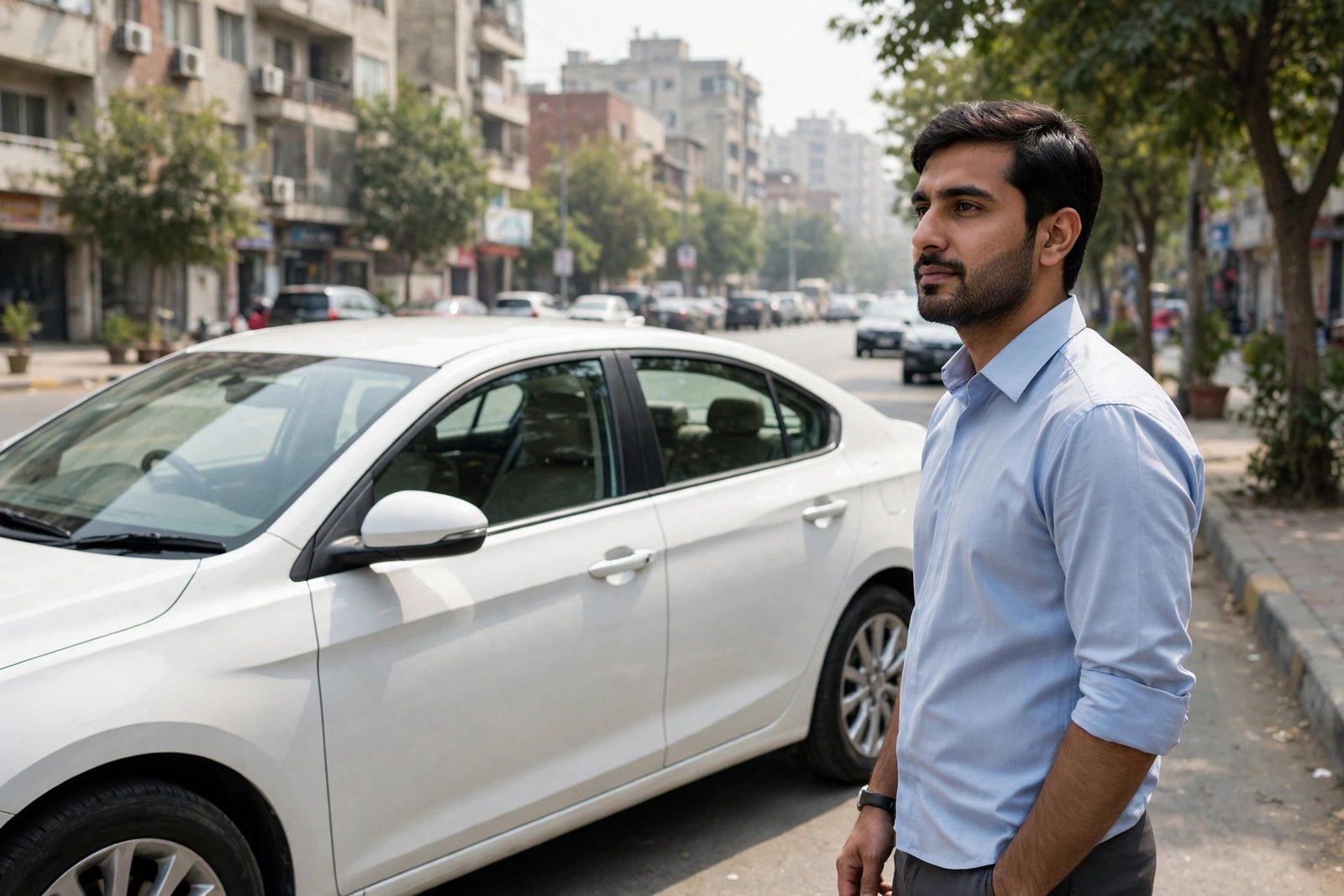
If you can drive well, there is honest money waiting for you in Pakistan. That has always been true, but in 2026 it is more true than ever. Every morning, thousands of people in Karachi, Lahore, Islamabad, and smaller cities open a ride-hailing app, start a delivery shift, or walk into a company fleet office — and by evening they have earned a day’s wage with nothing but a steering wheel, a licence, and a clean record.
Driver jobs in Pakistan are one of the few lines of work where a matric pass candidate with a valid driving licence can walk into interviews alongside graduates and still be the strongest applicant. Nobody asks for your degree. They ask for your licence category, your experience, and whether you know the roads.
But the market has changed. Ride-hailing platforms keep adjusting their commissions. Delivery companies have tightened their screening. Private households hiring a home driver now check references like a corporate HR department. And on the long-haul side, the HTV licence holders who drive containers between Karachi Port and upcountry are earning some of the best blue-collar wages in the country. If you want driver jobs in Pakistan in 2026, you need to know which lane to pick, what it actually pays, and how to get hired without falling for the scams that target job-seeking drivers every week.
Types of driver jobs in Pakistan in 2026
The word “driver” covers very different jobs, and they pay very differently. Before you start applying, know which categories exist so you aim at the right one.
Private/home drivers. These are some of the most stable driver jobs in Pakistan. Families in DHA Karachi, Bahria Town Lahore, E-7 Islamabad and similar areas hire full-time drivers for the household. Duties usually include school runs, market trips, airport pickups, and driving the employer to the office. Salary is monthly, accommodation or meals are sometimes included, and the job is stable if you are reliable and discreet. Families strongly prefer drivers with verifiable references.
Company and fleet drivers. Some of the most formal driver jobs in Pakistan — banks, multinationals, NGOs, and government offices keep fleets of cars, pickups, and vans. These jobs come with fixed duty hours, fuel cards, maintenance handled by the company, and often EOBI/social security registration. They are among the most sought-after driving jobs because the income is predictable and the working conditions are formal.
Ride-hailing drivers (Careem, inDrive, Yango). Flexible driver jobs in Pakistan where you use your own car or a rented one, accept rides through the app, and keep your earnings minus the platform’s commission. The big advantage is flexibility — you decide your hours. The catch is that you absorb fuel, maintenance, and depreciation costs, so your real income depends heavily on how smartly you manage expenses. Rent-a-car owners also lease vehicles to drivers on weekly “package” deals, which lowers the entry barrier if you do not own a car.
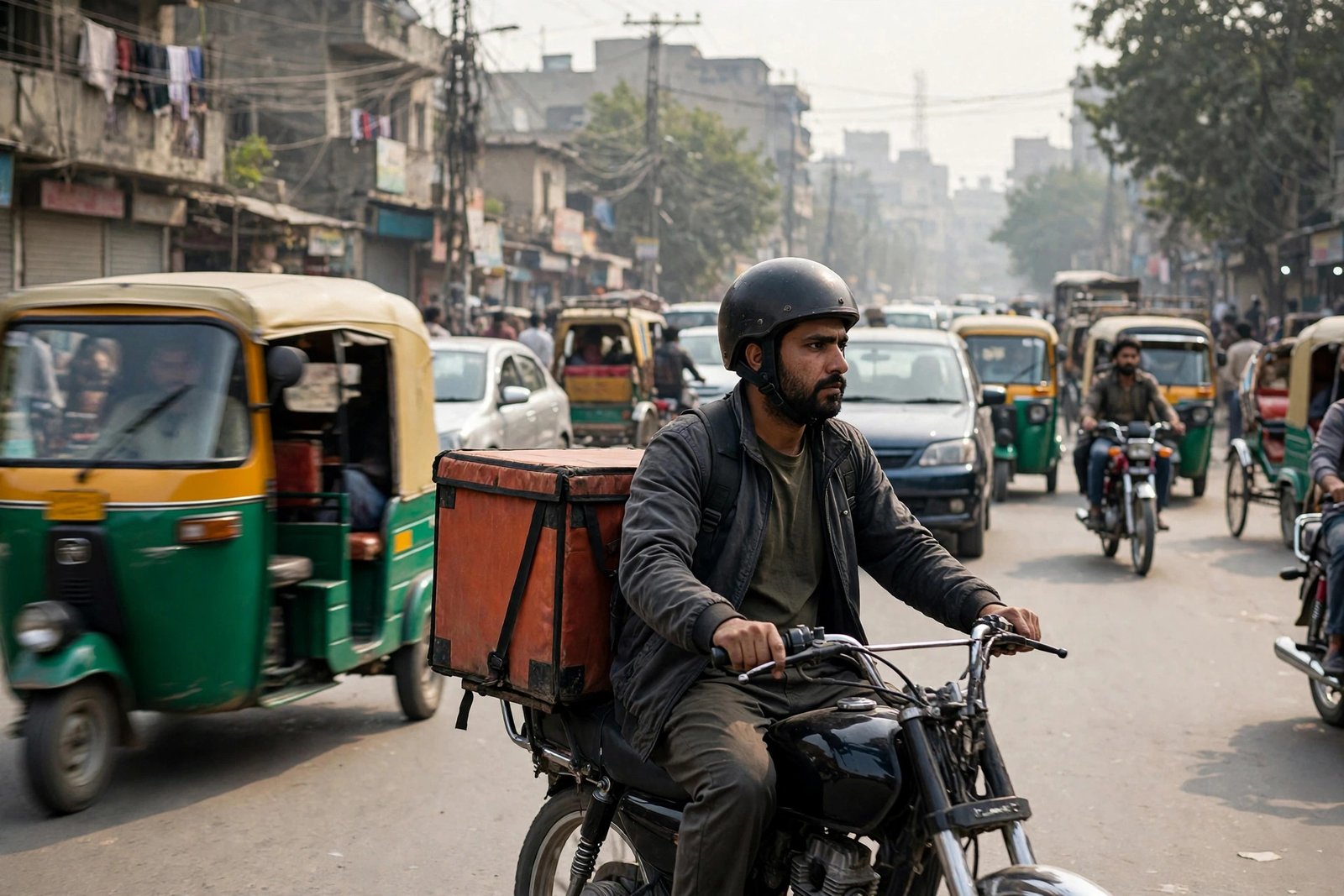
Bike riders — Bykea and delivery. Fast-growing driver jobs in Pakistan: if you own a motorcycle and a valid motorcycle licence, you can start earning within days through ride-hailing on a bike or food and parcel delivery (Foodpanda, local courier companies, e-commerce logistics). Delivery work pays per order plus distance, and during lunch, dinner, and rainy-day peaks the earnings genuinely add up. The trade-off is physical: long hours on the bike in heat and traffic.
Truck and heavy-vehicle drivers (LTV/HTV). The highest-paid driver jobs in Pakistan — Light Transport Vehicle and Heavy Transport Vehicle licence holders drive pickups, coasters, buses, and long-haul trucks. Goods transport between Karachi and Lahore/Islamabad/Peshawar, passenger coasters on intercity routes, and company logistics fleets all need licensed heavy drivers. HTV drivers on long routes are among the highest-paid drivers in the country, but the job means days away from home and real responsibility for valuable cargo.
Specialised driving. Niche driver jobs in Pakistan include ambulance drivers, school van drivers, and valet/parking drivers at malls and hotels, forming a smaller but steady market. Ambulance driving in particular suits calm, experienced drivers and is often arranged through hospitals and rescue services like Rescue 1122 in Punjab.
Licences: the piece of paper that decides everything
You cannot land driver jobs in Pakistan without the right licence, and employers check. Here is how the licensing ladder works through the traffic police licensing system.
Car/Jeep licence. The minimum for most driver jobs in Pakistan — the standard licence most private, company, and ride-hailing car drivers hold. You need to be of legal driving age, pass the written test and the road test, and hold a learner permit for the required period first.
Motorcycle licence. Required for Bykea riders and all delivery bike work. Platforms verify this before activating your account, so get it before you apply.
LTV licence (Light Transport Vehicle). Covers pickups, Hiace vans, coasters, and small commercial vehicles. Many company fleet and school transport jobs require LTV as a minimum.
HTV licence (Heavy Transport Vehicle). Covers trucks, trailers, and buses. This is the licence that unlocks long-haul and heavy cargo work. It requires more experience and a stricter medical and driving test, which is exactly why HTV holders are in shorter supply and better paid.
Practical advice: start the licence process before you need the job. Learner permits, test slots, and licence issuance take weeks, and employers will not wait. Keep your licence renewed — an expired licence is the most common reason drivers fail document verification at interviews. And never, ever buy a fake licence. Traffic police verification is digital now in most provinces, a fake licence can land you in legal trouble, and any employer who discovers it will blacklist you on the spot.
Salaries for driver jobs in Pakistan in 2026
Salaries vary by city, vehicle type, and who you work for. These are realistic 2026 ranges based on what the market is actually offering — not the inflated numbers you see in scam ads.
Private home drivers in major cities typically earn Rs 35,000–55,000 per month, with experienced, trusted drivers in upscale localities reaching Rs 60,000+. Live-in arrangements sometimes add meals and a room, which effectively raises the package.
Company/fleet car drivers usually start around Rs 40,000–55,000, with banks and multinationals paying Rs 55,000–75,000 for experienced drivers with clean records. Overtime, fuel allowances, and annual bonuses are common in the formal sector.
Ride-hailing car drivers earn Rs 60,000–100,000+ per month gross in busy cities like Karachi and Lahore, but remember that fuel, maintenance, and the platform commission come out of this. Drivers who own their car outright and work peak hours do meaningfully better than those paying weekly rent on a leased car.
Bike riders and delivery riders generally take home Rs 40,000–70,000 per month depending on hours and the platform. Riders who consistently work 10–12 hours including peak meal times sit at the upper end.
LTV drivers (coasters, pickups, vans) earn roughly Rs 45,000–70,000, while HTV long-haul truck drivers earn Rs 70,000–120,000+ per month, with some container-route drivers earning more on per-trip arrangements. The money is real, but so are the nights away from home.
One honest note: Karachi consistently pays more than smaller cities for the same role, simply because demand and the cost of living are higher. If you are weighing a move, our guide to jobs in Karachi breaks down the city’s wider job market so you can compare driving work against other options before deciding.
What employers look for in driver jobs in Pakistan (beyond the licence)
A licence gets you into the interview. These are the things that get you the job.
A clean driving record. No serious accidents, no challans piling up. Company HR departments increasingly check driving history, and private families always ask your previous employer about it.
Knowledge of the routes. A Karachi driver who knows Clifton from Korangi without the GPS, a Lahore driver who can navigate from Johar Town to DHA in rush hour, an Islamabad driver who knows the sectors — this is genuine professional capital. Ride-hailing and delivery drivers who know shortcuts earn more per hour than those glued to the map.
Vehicle basics. You do not need to be a mechanic, but employers notice drivers who check oil and water, know what a warning light means, and keep the car clean. For delivery riders, basic bike maintenance (chain, brakes, tyre pressure) directly affects your safety and income.
Trustworthiness and discretion. Private drivers hear family conversations. Company drivers carry cash, documents, and executives. References from previous employers matter enormously — keep every employer’s contact number, and leave every job on good terms.
Punctuality and phone etiquette. Arriving ten minutes early, confirming pickups by phone, and communicating delays honestly. It sounds basic because it is basic, and it is exactly what separates drivers who stay employed for years from those who rotate through jobs every few months.
Physical fitness and stamina. Long-haul driving and 12-hour delivery shifts are physically demanding. Employers and platforms both prefer drivers who can handle the schedule without fading.
Where to find driver jobs in Pakistan (and how to apply properly)
The most reliable route is established job portals. Rozee.pk lists driver and rider vacancies from companies across Pakistan, and applying through a proper portal means the employer is at least identifiable — which matters, as the scams section below explains.
Beyond portals: walk into transport companies, logistics firms, and fleet offices with a printed CV and copies of your licence and CNIC — driving jobs are one of the few fields where showing up in person still works. Check the classified sections of newspapers like Jang and Express for driver ads from households and small businesses. Ask around — a huge share of private-driver jobs are filled through referrals, so tell every relative, friend, and former employer that you are looking. For ride-hailing and delivery, register directly on the platforms’ official driver apps (never through an “agent” who asks for money).
When you apply, keep a simple one-page CV: name, contact, CNIC, licence type and expiry, years of experience, vehicle types driven, previous employers with phone numbers, and your current city/area. That is all an employer needs. A photo is commonly expected on driver CVs in Pakistan — use a clean, recent one.
Scams targeting driver jobs in Pakistan — read this before you pay anyone
This section could save you real money. Scammers specifically target drivers because they know driving jobs are in demand and many applicants are desperate.
Never pay for a job. No legitimate employer charges a “registration fee,” “uniform fee,” “security deposit,” or “training fee” before hiring you. If anyone asks for money upfront — via Easypaisa, JazzCash, or bank transfer — walk away. This is the single most common driver-job scam in Pakistan.
Fake overseas driving jobs. Ads promising truck or taxi driving jobs in the Gulf, Europe, or Canada with huge salaries, asking for “visa processing fees” in advance, are almost always fraud. Real overseas recruitment goes through licensed Overseas Employment Promoters, and you can verify a promoter’s licence with the Bureau of Emigration & Overseas Employment before paying anything.
The car-rental trap. Some “fleet owners” offer you a car on a weekly package, take a large advance, and then disappear — or hand over a car with hidden problems and blame you for the damage. If you lease a car for ride-hailing, deal only with known rental companies, get everything in writing, and inspect the vehicle thoroughly first.
Too-good-to-be-true salaries. An ad offering Rs 150,000 for a home driver with no experience and no interview is bait. Compare every offer against the realistic ranges in this article.
Identity theft. Never send your CNIC copy, licence photo, or bank details to a random WhatsApp number from a Facebook ad. Share documents only with verified employers, and watermark copies with the employer’s name and date when possible.
Practical tips: the interview, the test drive, and the first month
Most driving interviews include a practical test — the employer or fleet manager rides with you. Drive the way you would with your own family in the car: smooth braking, proper use of indicators, correct lane discipline, calm at signals, no phone in hand. Examiners forgive a missed turn; they do not forgive aggression or phone use.
Dress neatly for the interview even though it is a driving job — it signals professionalism. Bring originals of your licence and CNIC plus photocopies. Be ready to answer: which areas/routes do you know, what vehicles have you driven, why did you leave your last job, and are you comfortable with night duty or out-of-city trips. Answer honestly — lies about experience surface within the first week of actual driving.
In the first month, learn the employer’s routine faster than they expect: school timings, office routes, preferred petrol pumps, where the documents are kept. A driver who anticipates needs gets salary raises; a driver who needs constant instruction gets replaced.
For ride-hailing and delivery beginners: start with short shifts to learn the app, peak hours, and your city’s demand patterns before committing to 12-hour days. Track every rupee of fuel and maintenance for the first month so you know your true net income — most new drivers overestimate earnings because they ignore costs.
FAQs
Do I need a matric certificate for driver jobs in Pakistan?
Not for most driving roles. Employers care about your licence category, experience, and references far more than formal education. Some banks and multinationals prefer matric-pass candidates for fleet positions, but it is rarely a hard requirement.
Which driving licence pays the most for driver jobs in Pakistan?
The HTV licence. Heavy-vehicle and long-haul truck drivers earn the highest wages in the driving market, often Rs 70,000–120,000+ per month. The LTV licence sits in the middle, opening up coaster, van, and pickup work that pays better than standard car driving.
Can I do ride-hailing or delivery with a learner permit?
No. Platforms like Careem, inDrive, Yango, Bykea, and Foodpanda require a valid permanent licence of the right category before they activate a driver or rider account. Get your full licence first, then register.
Is it better to drive my own car or lease one for ride-hailing?
Owning outright is better financially — no weekly rental eating into your earnings. But if buying is not an option, a fair lease from a reputable company is a reasonable way to start; just read the terms carefully, check who pays for maintenance and insurance, and avoid deals that demand large advances.
How do I verify a driver job ad is genuine?
Check that the employer is identifiable (real company name, office address, landline number), never pay any upfront fee, meet at a proper office rather than a random location, and be suspicious of salaries far above the market ranges listed in this article. When in doubt, ask someone experienced before committing.
What is the minimum age for driver jobs in Pakistan?
You must hold a valid driving licence, which requires meeting the legal driving age and completing the learner-permit period through the traffic police licensing system. Most employers additionally prefer drivers aged 22 and above, especially for company and long-haul roles, because of insurance and experience requirements.
2 Responses