
Jobs in Mirpurkhas 2026: Government, Sugar Industry & Private Jobs Guide
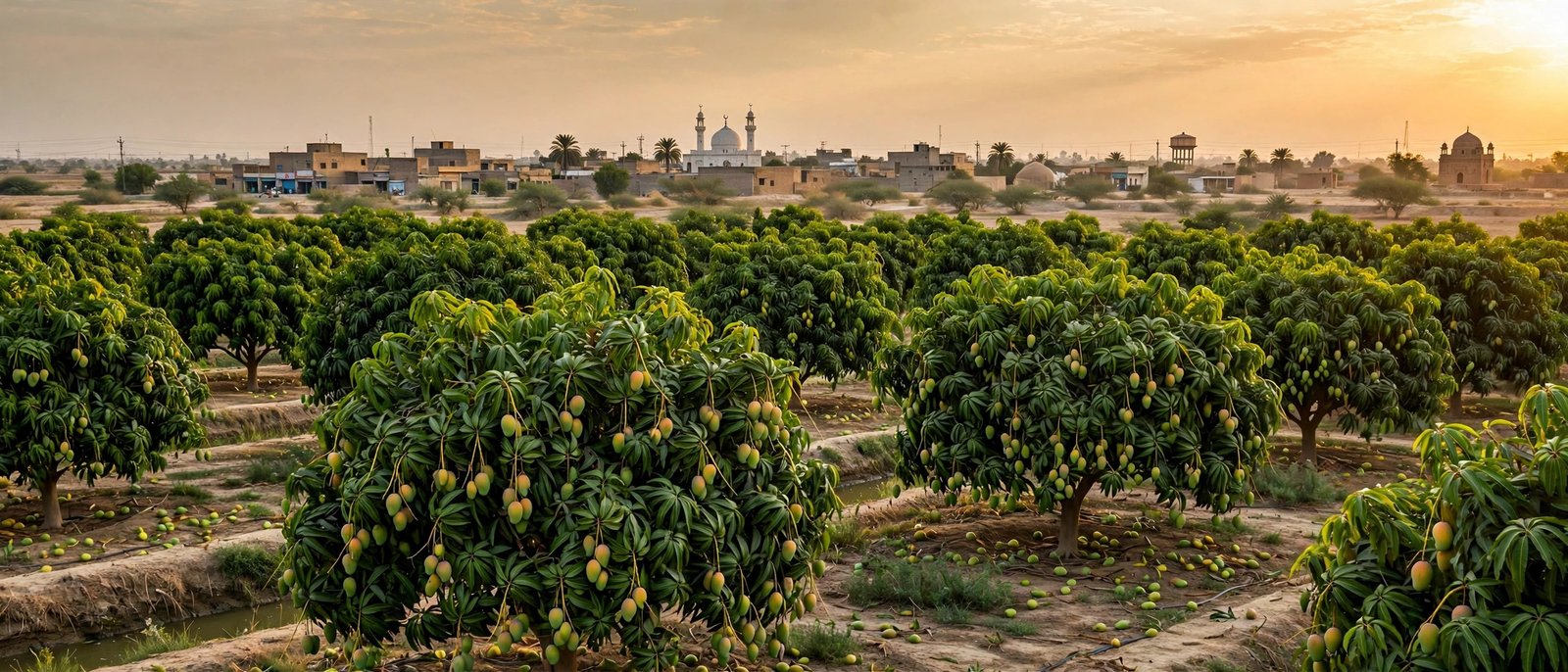
If you live in Mirpurkhas, or you are thinking of moving back to your home district for work, 2026 is a better year to job hunt than most people realise. Mirpurkhas is often talked about only for its mangoes, and it is true that the city is known across Pakistan as the City of Mangoes. But behind that nickname there is a working city with a district administration, a sugar industry that employs thousands of people every crushing season, a growing network of schools and hospitals, banks on every main road, and a small but steady private sector. The jobs are there. The trick is knowing where to look, which ones are real, and how to apply before the deadline passes.
This guide walks through the whole picture: government jobs in Mirpurkhas, sugar industry and seasonal work, teaching and health jobs, private sector and sales roles, the salaries you can realistically expect in 2026, the documents you will need, and the scams to avoid. Everything here is written for someone sitting in Mirpurkhas itself — a fresh graduate, a matric or intermediate pass candidate, a teacher, a driver, a nurse, or a parent helping a son or daughter find their first job.
Jobs in Mirpurkhas 2026: Government, Sugar Industry & Private Jobs Guide: Table of Contents
Why Mirpurkhas Has More Jobs Than People Think
Mirpurkhas is the headquarters of Mirpurkhas District in Sindh, and a divisional headquarters too. That matters more than it sounds. A district headquarters means the offices of the Deputy Commissioner, the district courts, the police, the health department, the education department, and the irrigation department are all in the city. Each of those offices hires. Some hire every year through proper advertisements, some hire in bursts when a project starts, and some hire daily-wage or contract staff quietly through local notices. A job seeker who only checks the big national job websites will miss half of this, because many Mirpurkhas openings are advertised in Sindhi and Urdu newspapers first and only reach the internet later, if at all.
The second reason is agriculture. Mirpurkhas district grows mangoes, sugarcane, cotton, wheat and chillies. The mango season brings short-term work in orchards, packing and transport, and the sugarcane crushing season brings months of work at the mills. This is not office work, and it does not suit everyone, but for a young man without a degree it is often the most reliable income in the district, and the mills also hire permanent staff — engineers, chemists, accountants, drivers, security guards and clerks — all year round.
The third reason is that Mirpurkhas is changing slowly but steadily. The University of Mirpurkhas has brought students and teaching jobs to the city. Private schools keep opening new campuses. Private hospitals and clinics are growing. Banks keep adding branches in the city and in nearby towns like Digri, Jhuddo, Kot Ghulam Muhammad and Tando Jan Muhammad. None of this makes Mirpurkhas a Karachi or a Lahore, and it would be dishonest to pretend it does, but it does mean a patient, well-prepared job seeker in Mirpurkhas in 2026 has real options in several different directions.
Government Jobs in Mirpurkhas 2026
Government jobs remain the first choice for most families in Mirpurkhas, and for understandable reasons: a fixed salary, job security, a pension, and respect in the community. The main route into Sindh government jobs is the Sindh Public Service Commission, known as SPSC, which advertises posts for departments across the province, including posts based in Mirpurkhas district. Teaching posts, health posts, and many clerical and officer posts in the district are filled this way.
The usual pattern is this. A department sends its vacant posts to SPSC, SPSC publishes an advertisement in the newspapers and on its official website, candidates apply online within the given dates, and then there is a written test followed by an interview. The whole process takes months, sometimes longer, so the worst mistake a candidate can make is to wait until the last week to apply. Read the advertisement carefully, check the required qualification and the age limit, and keep your documents ready in advance so a short deadline does not catch you out.
Besides SPSC, several departments advertise directly. The Sindh Irrigation Department, which is a major employer in this region because of the canals and the barrage system, announces posts for canal staff, workmen, and office staff from time to time. The district health office announces posts for dispensers, vaccinators, lady health visitors and support staff. The education department announces teaching and non-teaching posts for government schools in the district. The police department recruits constables and other ranks through its own process, which includes a physical test, so candidates should start preparing physically well before an announcement.
Other government and semi-government employers with a presence in Mirpurkhas include the National Database and Registration Authority, which runs registration centres in the district and hires locally, the Federal Board of Revenue, which has offices in the region, and the Pakistan Post. These jobs are fewer in number, but they do come up, and they are worth watching for because the competition is often lower than for the famous posts.
One honest warning about government jobs: the competition is serious. For a single advertised post, hundreds of candidates from the district apply. That does not mean you should not try — it means you should prepare properly. Get the syllabus from the advertisement, practise past papers where they are available, and treat the written test like the exam it is. Many capable candidates fail simply because they applied casually and walked into the test unprepared.
Sugar Industry Jobs: The Backbone of Mirpurkhas Employment
If there is one industry that defines employment in Mirpurkhas, it is sugar. Mirpurkhas Sugar Mills is one of the best-known employers in the district, and the wider sugar belt around the city also includes plants such as the ethanol facility run by Unicol Limited. When the crushing season starts, usually in the winter months, the mills run around the clock, and the demand for workers rises sharply.
The seasonal workforce is large. Mills need cane cutters and loaders, trolley and tractor drivers, weighbridge operators, boiler attendants, mill house workers, bagasse handlers, and general labourers. Much of this work is arranged through contractors and local labour supervisors, and hiring often happens by word of mouth in the villages around the mills. If you are looking for seasonal work, the practical approach is to visit the mill gate or the contractor’s office before the season starts, not after it is already running, and to have your national identity card with you.
But the sugar industry is not only seasonal labour. The mills employ permanent and regular staff all year: mechanical and electrical engineers, chemical engineers and lab chemists, shift supervisors, accountants and store keepers, drivers, security guards, and office clerks. These posts are usually advertised in the newspapers, and some are listed on the big job websites too. A diploma in mechanical or electrical engineering, or a degree in chemistry, puts a young candidate in a strong position here. Even a matric pass candidate with a driving licence can find regular work as a driver or a security guard if he applies at the right time and has a clean record.
There is also work around the edges of the industry. Transporters who move sugarcane from the fields to the mills need drivers and helpers. Workshops that repair tractors and trolleys need mechanics. Traders who deal in sugarcane, bagasse and molasses need assistants. For a young man willing to learn a trade, the sugar belt is one of the most forgiving places in Sindh to start earning.

Teaching Jobs in Mirpurkhas
Teaching is one of the most reliable career paths in Mirpurkhas, especially for women. Government schools in the district hire primary school teachers, junior school teachers and subject specialists through the education department and SPSC. A bachelor’s degree, and ideally a B.Ed, is the standard requirement for most teaching posts, and candidates with a master’s degree in a subject like English, mathematics or science have an advantage for secondary school posts.
Private schools are the other half of the story. Mirpurkhas has a growing number of private schools, including well-known names and local chains, and new campuses open every year or two. These schools hire teachers for English, mathematics, science, computer studies, Islamiat, and Sindhi and Urdu. The pay in a private school is usually lower than a government salary at the start, but the hiring is faster, the experience is valuable, and many teachers use a year or two in a private school to build their CV while they prepare for a government test.
For women in particular, teaching remains the most accessible professional job in the district. Parents are comfortable with it, the working hours suit family life, and girls’ schools and academies actively look for female teachers. If you are a woman with a bachelor’s degree in Mirpurkhas and you are wondering where to start, a teaching job — in a school, an academy, or as a home tutor — is the most realistic first step, and home tuition itself can become a steady income if you build a small group of students.
Academies and coaching centres in the city also hire teachers for entry test preparation, English language courses, and computer classes. These are usually part-time evening jobs, but they pay per hour or per batch and they suit a university student or a young graduate who needs income while studying further.
Health Sector Jobs in Mirpurkhas
The health sector is another steady employer. Civil Hospital Mirpurkhas is the main public hospital in the district, and it employs medical officers, nurses, lady health visitors, dispensers, lab technicians, and support staff. Smaller government hospitals, rural health centres, basic health units and dispensaries across the district also hire, often through the district health office. The People’s Primary Healthcare Initiative, known as PPHI Sindh, runs many of the basic health units in the province and recruits doctors, paramedics and support staff for its facilities.
For a candidate with a nursing diploma or a lady health visitor course, the chances of finding work in Mirpurkhas are good. Hospitals and clinics always need nurses, and a qualified nurse who is willing to work night shifts is rarely without a job for long. Medical officers with an MBBS degree can find work in government hospitals, in private hospitals, and in their own clinics. Lab technicians, X-ray technicians and pharmacy staff are also in regular demand.
Private hospitals and clinics in the city hire receptionists, ward assistants, drivers for ambulances, and cleaning and support staff. These jobs do not need a medical degree, but they do need reliability and a willingness to work in shifts. For someone with only a matric certificate, a support job in a hospital is a respectable and steady option, and it can be a stepping stone to a paramedical course later.
Banking, Insurance and Private Sector Jobs
Mirpurkhas has branches of most major banks, and every branch needs cashiers, customer service officers, relationship officers, and security staff. Banks usually hire through their head offices, and the vacancies are advertised on the banks’ own websites and on job portals. A bachelor’s degree in commerce or business administration helps, but banks also take graduates from other fields for entry-level posts. The work is office-based, the hours are regular, and the salary and benefits are better than most private jobs in the district.
Insurance is a quieter but real source of work. Companies like EFU Life and State Life have offices and agents in Mirpurkhas, and they hire sales representatives and development officers. This is target-based work, which means the income depends on how many policies you sell, and it does not suit everyone. But for a confident young person who knows people in the city and is willing to meet clients every day, insurance sales can pay better than a fixed-salary job, and the companies provide training.
Other private sector jobs in the city include sales and marketing roles for mobile phone companies, fertiliser and seed companies, and consumer goods distributors. Mirpurkhas is a trading city for the surrounding agricultural area, so distributors of fertiliser, pesticides, seeds, and farm machinery have offices and warehouses here and need salesmen, store keepers, accountants and drivers. Retail shops on the main bazaars hire salesmen and cashiers. Mobile phone franchises hire sales staff. None of these jobs make headlines, but together they employ a large number of young people in the city.
There is also a small but growing market for computer and digital skills. Shops that do printing, photocopying and online form filling need computer operators. Young people with basic graphic design, video editing or social media skills can find freelance work, often for clients outside Mirpurkhas. The pay is not always high at the start, but a skill like this travels with you, and it is one of the few options that lets a young person in Mirpurkhas earn from clients in Karachi, Lahore or even abroad without leaving the city.
Jobs for Women in Mirpurkhas
Women in Mirpurkhas face a narrower set of options than men, and it is worth saying so plainly rather than pretending otherwise. The most accessible jobs remain teaching, nursing, and lady health visitor work, and these three fields absorb most of the educated women who work in the district. Government girls’ schools, private schools, hospitals, and health units are the main employers.
Beyond those, banks do hire women for branch roles, and some banks actively encourage female applicants. NGOs working in the district also hire women for community health, education and social work roles, and these jobs often involve field visits in the villages around Mirpurkhas. For women with stitching, embroidery or beautician skills, home-based work is common — many women in the city earn from stitching, beauty parlours, or tutoring without ever holding a formal job.
A practical point for women job seekers: keep your documents in order, including your domicile and your educational certificates, and do not be put off by the idea that a job is “for men”. Teaching and health posts are openly advertised for women, and banks and NGOs increasingly are too. Apply, and let the employer decide.
What Salaries Look Like in Mirpurkhas in 2026
Salary expectations need to be honest, or this guide would be useless. In 2026, an unskilled daily-wage worker in Mirpurkhas can expect roughly 1,000 to 1,500 rupees a day, depending on the work and the season. A security guard or a driver in a private company typically earns somewhere between 35,000 and 55,000 rupees a month. A shop salesman or a cashier usually earns between 30,000 and 45,000 rupees a month.
A private school teacher at the start of their career often earns between 25,000 and 45,000 rupees a month, with better schools paying more. A government primary school teacher earns more than that once appointed, and the salary grows with grade and seniority. A nurse in a private hospital can expect roughly 45,000 to 70,000 rupees a month, and a government nurse earns more with allowances. A bank’s entry-level officer typically starts around 50,000 to 70,000 rupees a month. Insurance and sales roles vary widely because part of the income is commission — a good month can be much better than a bad one.
Government salaries depend on the pay scale of the post, and they rise with allowances, so a clerk in grade 11 and an officer in grade 17 are in very different positions. The point of these figures is not to promise an exact number, because no two employers pay exactly the same, but to give you a realistic range so you can judge an offer when it comes. If someone offers you a job that pays far below these ranges, be cautious. And if someone promises a salary far above them for a job that needs no qualification, be very cautious indeed — that is usually a scam.
How to Apply for Jobs in Mirpurkhas
The application process depends on the employer, but the steps are mostly the same. First, keep a simple CV ready. It does not need to be fancy. Your name, your contact number, your education with years, any experience, and your skills are enough. Save it as a PDF on your phone so you can send it on WhatsApp or by email whenever a vacancy appears.
Second, read the newspapers. The daily Jang, Express, Kawish and other Sindhi and Urdu papers still carry most of the government advertisements for Mirpurkhas. Read the jobs pages every morning, or ask a family member to. Many good jobs in the district are missed simply because nobody in the house read the paper that day.
Third, use the job websites. Rozee.pk lists jobs across Pakistan, including openings in smaller cities, and it is worth checking regularly and setting up alerts for Mirpurkhas and for nearby cities. Candidates looking further afield also check listings for jobs in Hyderabad, which is the nearest big city and a realistic option for anyone willing to commute or relocate. Government department websites and the SPSC website carry the official advertisements and the application forms, and those are the sources you should trust over a forwarded WhatsApp message.
Fourth, visit offices in person when the job is local. A private school, a hospital, a bank branch, a mill, or a distributor’s office will often accept a CV handed in at the reception, and a polite visit shows seriousness. For government posts, always follow the written procedure in the advertisement — online application, bank challan if required, and documents sent to the address given. Never hand your original documents to anyone. Photocopies are enough at the application stage.
Fifth, prepare for tests and interviews. For SPSC and other government tests, the syllabus is in the advertisement. Practise general knowledge, English, mathematics at the level the post needs, and the subject of the post itself. For a private job interview, dress neatly, arrive on time, and be ready to talk about what you can actually do, not only what your degree says.
Documents You Will Need
Almost every job application in Mirpurkhas will ask for the same set of documents, so get them ready now rather than scrambling when a deadline is announced. You will need your Computerised National Identity Card, your Sindh domicile certificate and your Permanent Residence Certificate, known as PRC, because most Sindh government jobs require them. You will need your educational certificates and degrees, from matric onwards, and your marksheets. For teaching posts you will need your B.Ed or M.Ed if you have one. For driving jobs you will need a valid driving licence. For health posts you will need your diploma or registration certificate.
Keep attested photocopies of everything in one folder, and keep the originals safe at home. If your domicile or PRC is not made yet, apply for it now — it takes time, and a good job should not be lost because a document was not ready. The same applies to your identity card: if it is expired or you have never had one made, get it sorted before you start applying in earnest.
How to Avoid Job Scams in Mirpurkhas
This is the most important section in this guide, so read it carefully. Job scams are common in smaller cities, and Mirpurkhas is no exception. The rules are simple, and they will protect you.
Never pay money to get a job. No real employer asks for a fee, a security deposit, a training charge, or a processing payment before giving you a job. If someone asks for money, walk away, no matter how good the offer sounds. This applies to agents, to people who claim to have contacts in a department, and to online advertisements that ask for a payment through a mobile wallet or a bank transfer.
Verify the advertisement. A real government job is advertised in the newspaper and on the official website of the department or the SPSC. If you see a job offer only as a forwarded WhatsApp message, with no newspaper reference and no official website, treat it as doubtful until you can check it. Call the department’s office, or visit it, and ask whether the posts are real.
Be careful with offers that sound too good. A job that promises a very high salary, a government post, and no test and no interview, all at once, is not a real job. Real government jobs have a test, or an interview, or both. Real private jobs have an interview. Anyone who offers you a post without meeting you is selling you a story.
Protect your personal information. Do not send your identity card number, your bank account details, or photos of your documents to a stranger on WhatsApp. A genuine employer will ask for documents at the interview or after selection, not in the first message.
And if you have been cheated, tell someone. Report it to the police, and warn your friends and family. Scammers rely on embarrassment and silence. Talking about it is how the next person is protected.
Practical Tips for a Successful Job Search in Mirpurkhas
A job search is a routine, not a single event. Set aside an hour every morning for it. Check the newspapers, check the job websites, check the notice boards at the district offices if you pass them, and ask around. Many jobs in Mirpurkhas are filled through personal contacts, and there is nothing wrong with that — tell your relatives, your teachers, and your friends that you are looking, and what kind of work you want. A recommendation from someone an employer trusts is often worth more than a CV sent into the void.
Learn one useful skill while you search. A computer course, an English language course, a driving licence, or a short diploma in a trade costs little and changes your options. A candidate who can use a computer, write a simple email in English, and drive a vehicle is employable in far more places than a candidate who can do none of those things.
Do not ignore nearby cities. Mirpurkhas is close enough to Hyderabad that many people from the district work there and travel home on weekends, and some commute daily. If a good job comes up in Hyderabad, or in Tando Allahyar, or in Umerkot, consider it. A job in a nearby city is still a job, and the experience you gain there will make you a stronger candidate for the next opening in Mirpurkhas itself.
Be patient, but be persistent. A government test can take months from advertisement to result. A private employer can take weeks to reply. Apply to many posts, keep a record of what you applied for and when, and follow up politely. Rejection is part of the process, and it says nothing about your worth. The candidates who get jobs are usually not the most brilliant ones — they are the ones who kept applying while others gave up.
Life in Mirpurkhas for a Working Person
It is worth saying something about the city itself, because a job is not only a salary. Mirpurkhas is a manageable city. The cost of living is lower than in Karachi or Hyderabad, rents are reasonable, and most people live close to their families. The food is good, the mangoes in summer are famous for a reason, and the pace of life is slower. For a young person starting out, that lower cost of living is a real advantage — a starting salary that would be tight in Karachi goes further here.
The trade-off is that career growth is slower, and the range of jobs is narrower. That is why the best approach for many young people in Mirpurkhas is to take the good job that is available now, keep learning, and keep an eye on the next step. A teacher can become a head teacher. A clerk can be promoted. A salesman can become a supervisor. A mill worker can learn a trade and become a technician. The first job is rarely the last job, and in a city like Mirpurkhas, steady progress over a few years is a realistic and respectable path.
Final Thoughts
Mirpurkhas is not a city that shouts about its opportunities. The jobs here are announced in small newspaper columns, on notice boards, through contractors at the mill gate, and in conversations between neighbours. Finding them takes attention and persistence, and getting them takes preparation. But they are real: government posts through SPSC and the departments, seasonal and permanent work in the sugar industry, teaching in schools and academies, health jobs in hospitals and clinics, banking and insurance roles, and the everyday private sector work of a trading and agricultural city.
If you take one thing from this guide, let it be this. Keep your documents ready, read the newspapers every day, apply early, prepare for the test, and never pay anyone for a job offer. Do those five things, and you will be ahead of most of the other candidates in the district. Mirpurkhas has work for people who look for it properly — and in 2026, with the crushing season running, the schools hiring, and the government advertising again, there is no better time to start looking than now.
Frequently Asked Questions About Jobs in Mirpurkhas
What are the best jobs in Mirpurkhas in 2026?
For most people, the best jobs are government posts through SPSC, teaching posts in government and private schools, health jobs such as nursing and lady health visitor roles, bank officer posts, and permanent roles in the sugar mills. The right choice depends on your education: graduates should aim for government and bank posts, while matric and intermediate pass candidates often do better starting in the sugar industry, in sales, or as drivers and security staff.
How can I apply for government jobs in Mirpurkhas?
Government jobs are advertised in the newspapers and on the official websites of the departments and the SPSC. Read the advertisement, check that you meet the qualification and age requirements, apply online within the dates given, and keep your domicile, PRC, identity card and educational certificates ready. There is always a written test or an interview, so prepare for both.
Are there sugar mill jobs in Mirpurkhas for unskilled workers?
Yes. During the crushing season, the mills hire large numbers of unskilled and semi-skilled workers — cane cutters, loaders, drivers, helpers and general labourers. Much of this hiring happens through contractors, so it helps to make contact before the season starts. The mills also hire permanent staff such as engineers, chemists, clerks, drivers and security guards, and those posts are advertised in the newspapers.
What is the average salary in Mirpurkhas?
It varies widely. Unskilled daily-wage work pays roughly 1,000 to 1,500 rupees a day. A private school teacher often starts at 25,000 to 45,000 rupees a month, a driver or security guard at 35,000 to 55,000, and a bank officer at around 50,000 to 70,000. Government salaries depend on the pay scale, and they grow with allowances and seniority. Sales and insurance roles depend partly on commission, so the income varies from month to month.
Which documents do I need to apply for a job in Mirpurkhas?
You will need your national identity card, your Sindh domicile certificate and your Permanent Residence Certificate, your educational certificates and marksheets from matric onwards, and any professional certificates for the post — such as a B.Ed for teaching, a nursing diploma for health posts, or a driving licence for driving jobs. Keep attested photocopies ready and never hand your originals to anyone at the application stage.
How do I avoid job scams in Mirpurkhas?
Never pay money for a job offer — no fee, no deposit, no training charge. Verify every advertisement against the newspaper or the official website of the department, and be suspicious of offers that come only as forwarded WhatsApp messages. A real government job always has a test or an interview, and a real employer will never ask for your bank details or your identity card photos in the first message. If an offer sounds too good to be true, it almost certainly is.